Category Archives: Movies

Streaming Review: The Dig


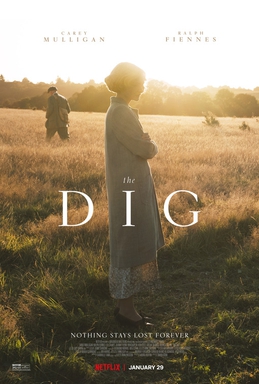
The Dig is a dramatization of the discovery of a 6th century burial ship on an English estate by a self-trained archaeologist, Basil Brown (Ralph Fiennes) and the estates owner the widow Edith Pretty (Carey Mulligan.) The movie details their struggles with acceptance, resistance from the accredited community, and deteriorating health all as England the world plunge into the cataclysmic horror of the Second World War.
This is a quiet, sedate, drama without anyone pulling a weapon or even raising their voice and it still crackled with tension as the characters faces trials and tribulations. It is a perfect example of that uniquely British style of drama that is motivated by class and manners, where the stakes are defines by expectations and the cost of defying them. In years past The Dig would have played to great success on the silver screen but not only due to the pandemic but also changing audience patterns niche channels and streaming services are now the home for this sort of dramatic fare. The truth of the matter is that fewer and fewer people are willing to pay more than twenty dollars a piece for non-spectacle cinema. That is not a slight on spectacle films but rather an acceptance that audiences have changed.

The performances in The Dig are superb. Fiennes adopts a Suffolk accent that is simply charming, Mulligan radiates sympathy a widowed wife facing not only the challenge of raising a son alone with also while dealing with a terrible condition all without ever devolving into maudlin pits of self-pity. The supporting cast is equally talented including Lilly James as a young archaeologist faced with sexism from academia and the horror that she has married the wrong man.

Cinematographer Mike Eley captures haunting and lovely images of the English country giving the fog a ghostly and timeless luminosity that feels as though it has passed through the centuries with the buried burial site.

Screenwriter Moira Buffini’s script shows a deft competence and subtilty that trusts the audience to understand the situation and the characters’ inner lives and motivations without needlessly wordy exposition.

Under the helm of Director Simon Stone all of these elements come together for a moving portrait of people and an age that has now passed.

The Dig is streaming on Netflix.

Share

Streaming Review: House (1977)

Streaming Review: House (1977)

On paper the plot of Japan’s 1977’s unique horror film House is deceptively simple. Seven teenage girls spending their summer vacation in a remote and isolated house face deadly supernatural peril. Variations on this set-up have prompted everything from competent well crafted horror film to direct to video exploitive fare but nothing is like Nobuhiko Obayashi’s House.

Most movies take extraordinary care to never spoil the illusion of reality they are trying to achieve, to never remind the audiences that there are in fact watching a film but written by Chiho Katura and directed by Obayashi House, leaning heavily into the artifice of filmmaking, never lets you forget that this is fact entirely artificial. From obvious stages, painted backdrops for landscapes, animated sequences, to characters interacting with a diegetic backstory flashback House revels in shattering the facade between the art and the observer.

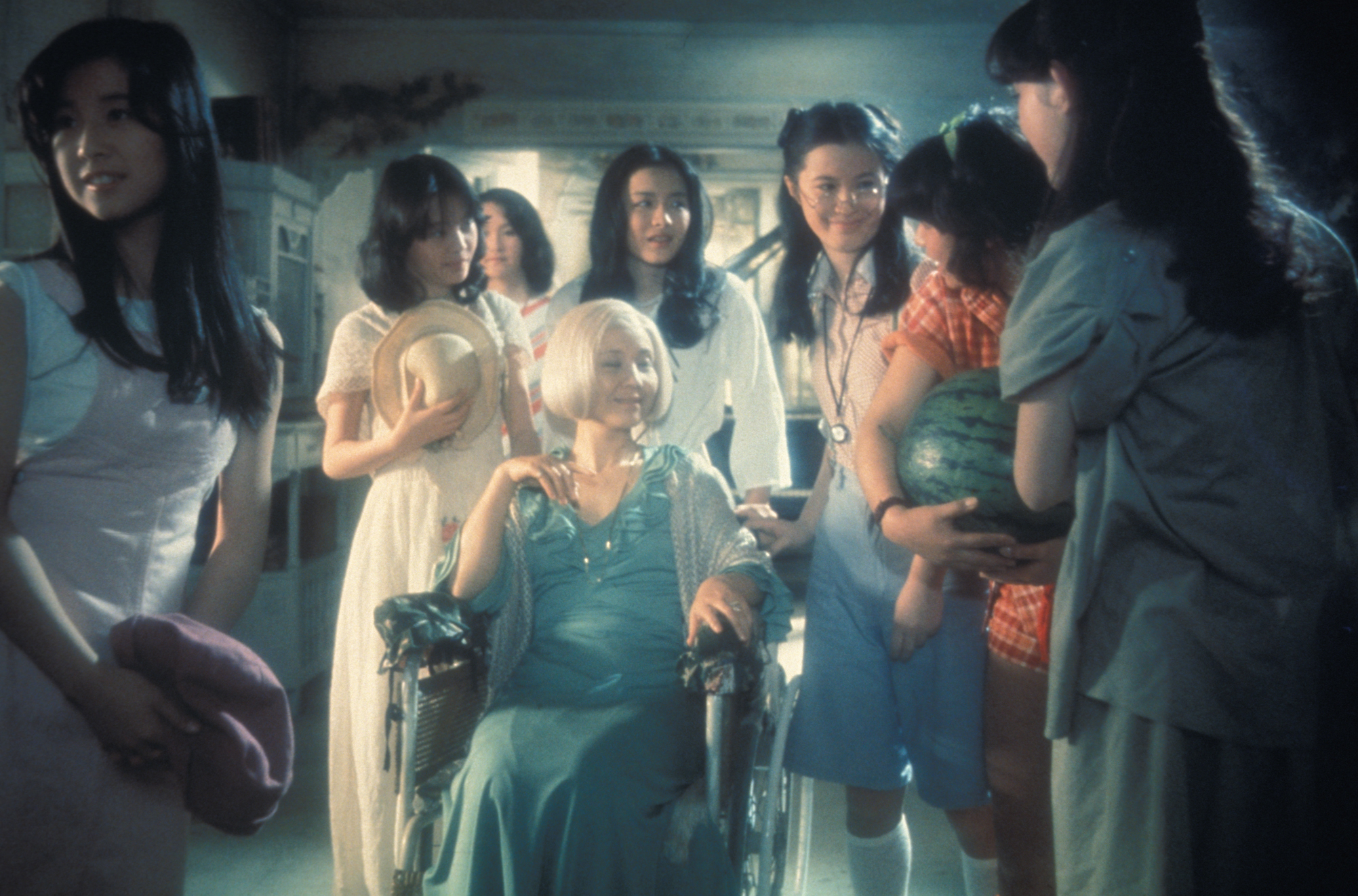
The artificiality is further enhanced by the names for the seven teenage girls with each only referred by a nickname that typifies that girl’s defining characteristic, Gorgeous for the beautiful daughter of a film composer, Prof for the girl drawn to intellectual talents, Kung Fu for the martial artist and athlete, Fantasy for the dreamer and so on. The characters are deliberately

Kumiko Oba (“Fantasy”), Masayo Miyako (“Sweet”), Eriko Tanaka (“Melody”), Kimiko Ikegami (“Gorgeous”), Ai Matsubara (“Prof”), Mieko Sato (“Mac”), Miki Jinbo (“Kung Fu”); seated: Yoko Minamida (“Gorgeous’s Aunt”)

drawn in the most simplistic terms existing as archetypes versus fully realized and motivated people but it is clearly a deliberate choice by the writer and director rather than a deficit of talent on either of their parts.

The resulting film is unique, frenetic, and hallucinatory, as though the filmmakers were simultaneously riding a sugar-high while tripping on LSD.

House is a difficult film to either recommend or to dissuade anyone from watching as it is so unique and unlike any other horror movie that everyone person watching it is liable to have a reaction as unique as the film itself. It is the truest melding of ‘art house’ with the horror genre I have ever experienced making such films a Midsommar or The Wicker Man appear as sedate and conventional as 70s prime time dramas. If you have a taste for experimental film and the description ‘Lynchian’ is familiar and not a turn-off then Obayashi’s House may be just right for you.

House is currently streaming on The Criterion Channel.

Share

Post-Apocalyptic Progenitor: Deluge

Post-Apocalyptic Progenitor: Deluge

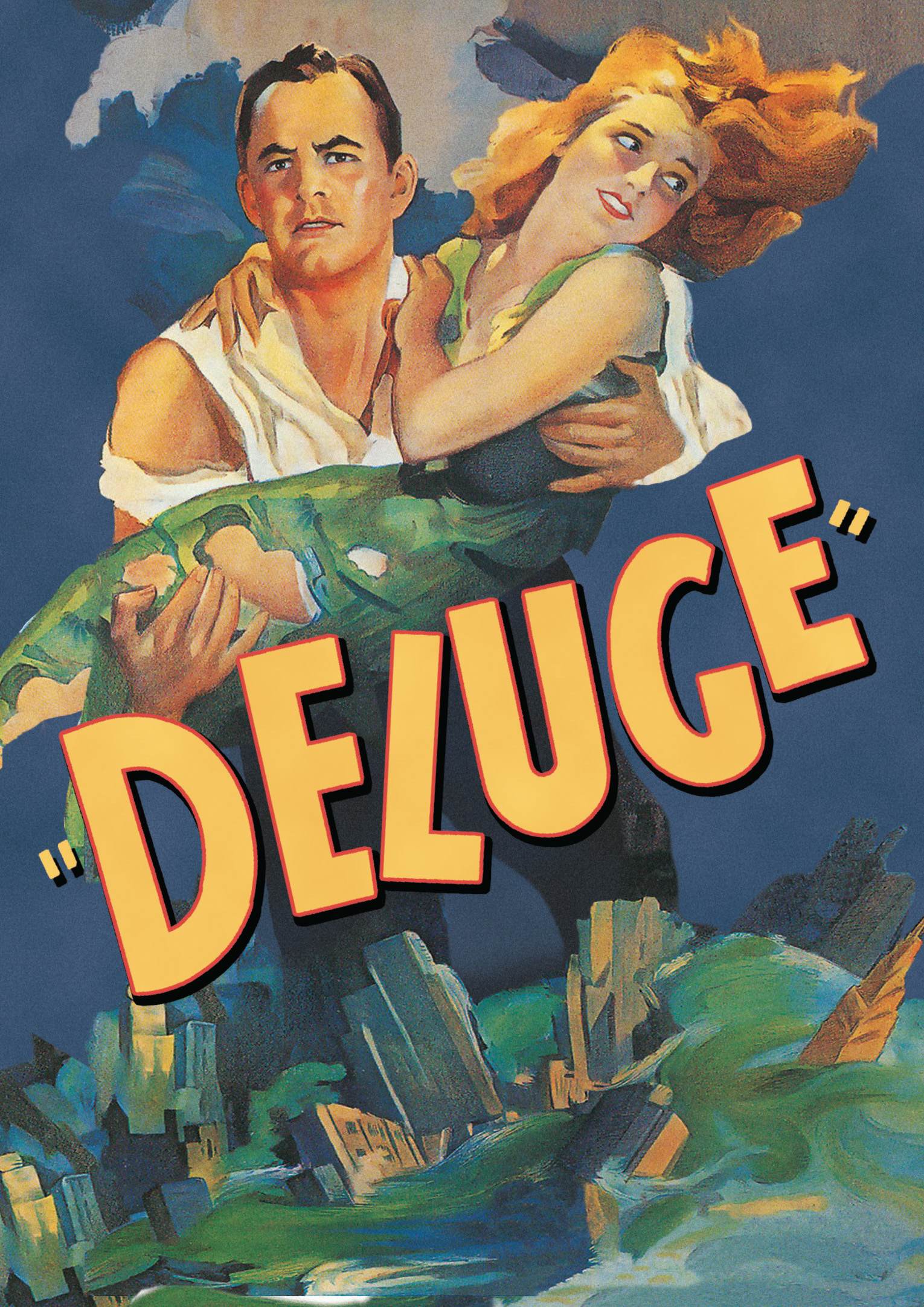
Recently on an episode of the podcast Junk Food Cinema one of the hosts, C. Robert Cargill, made a brief foray into the history of post-apocalyptic movies as part of their discussion centered on the satirical movie A Boy and his Dog. In that history when he talked about the original post-apocalyptic film, I expected him to detail 1936’s The Shape of Things to Come by H.G. Wells which covers a war that shatter civilization, the barbarity that followed, and the eventual enlightened society that developed. (It is really a fascinating movie with a look at the horrors another world war might bring created during the interwar period.) Instead of that film Cargill talked about an earlier movie 1933’s Deluge.After a little bit of searching, I found a Roku channel that streamed the movie and watched it last night.

Clocking in at a lean 70 minutes Deluge wastes no time in telling its story. Centered on three principal characters Martin and Helen Webster along with their two small children and Claire an athletic swimming champion socialite. However, none of the three are present much in the film’s establishing act. Scientists are concerned by strange weather patterns portending massive storms. A series of earthquakes moving eastward that submerge the entirety of the US’s West Coast along with reports of similar seismic events from Europe indicate a global catastrophe that crashes all of civilization. Martin and Helen attempt to endure the terrible storms but are separated leaving Martin as the apparently sole survivor of the family on an isolated spit of land. Claire finds herself at the hands of a pair of men as equally uncivilized at the landscape. She escapes and discovers Martin where they form a bond in the struggle to survive. Helen, not killed during the cataclysm, has ended up with a settlement of survivors and all three set of characters are forced to deal with a violent marauding band in the area. Deluge’s final act centers not on combating the marauders but resolving the romantic triangle of Martin/Helen/Claire.

Deluge was a far more entertaining film that I had expected. There’s no doubt that many of the tropes we still see in post-apocalyptic fictions are present in the pre-code piece of cinema which depicts the harsh times following the disaster with an unexpected brutality. I appreciate that the filmmakers made no attempt to actually explain the causes of the worldwide disaster. Sometimes in speculative fiction it is better to just have the fantastic happen and not explain than to try and craft a justification that doesn’t work. It is an interesting sociological note that the film opens with a title card reminding the audience that this is a work of fantasy because in the bible God had promised to never flood the world again.

I do not regret at all spending just over an hour watching Deluge and for people fascinated by disaster films it is well worth a watch to see the progenitor of so many cinematic cliches.

Share

Godzilla 2014


With the year’s release of the newest ‘Monsterverse’ featureGodzilla vs King Kong a massively budgeted remake of the decidedly campy 1962 film of the same name I have decided to revisit the earlier films in the series starting with 2014 American Godzilla.

The original Toho production from 1954 Godzilla is a defining piece of cinema the created the Kaiju film genre where people in suits and with miniature models created scenes of destruction and titian battles between impossibly large creatures. However, the first film Gojira in japan was a serious commentary on nuclear weapons and the terrible price of war and following in tone but not theme Godzilla 2014 was produced with an eye towards dramatic storytelling over campy kids’ entertainment.

While the trailers heavy feature Bryan Cranston, and every movie can use more Bryan Cranston, Godzilla 2014 starts Aaron-Taylor Johnson and Elizabeth Olsen whose lives, along with millions of others, are disrupted when a secret the government of the world explodes into view, that the world was once populated by Massive Unknown Terrestrial Organisms or MUTOs and that the Pacific Atomic Tests of the 50’s had been an attempt to kill one of these monstrous beasts, Godzilla. Now, following at ‘accident’ a Japanese nuclear powerplant 15 years earlier a pair of MUTOs are leaving a wake of destruction as they hunt for radioactive material to feed upon and mate, nest, and threaten humanity with a world repopulated with MUTOs.

Directed by Gareth Edwards with a screenplay by Max Borenstein Godzilla 2014 had little pretension to a deep philosophical theme or any meaningful emotional arc for its central characters but rather focuses, rightly so in my opinion, of the special effect spectacle of mighty Kaiju monsters combating humanity and each other through Japan, Hawaii, and San Francisco. It is movie built for fun. Where it is better to switch off any real-world science, nuclear and biological, and release your inner child that revels in excitement of action on inhuman scales. Taylor-Johnson and Olsen have little to do as emotional characters but we don’t watch a film like this for Kaiju version of Ordinary People.

If you enjoy massive monsters, grand destruction, and fantastic concept then Godzilla 2014 may be for you.


Share

Deliberately Watching a Bad Movie: Sleepaway Camp


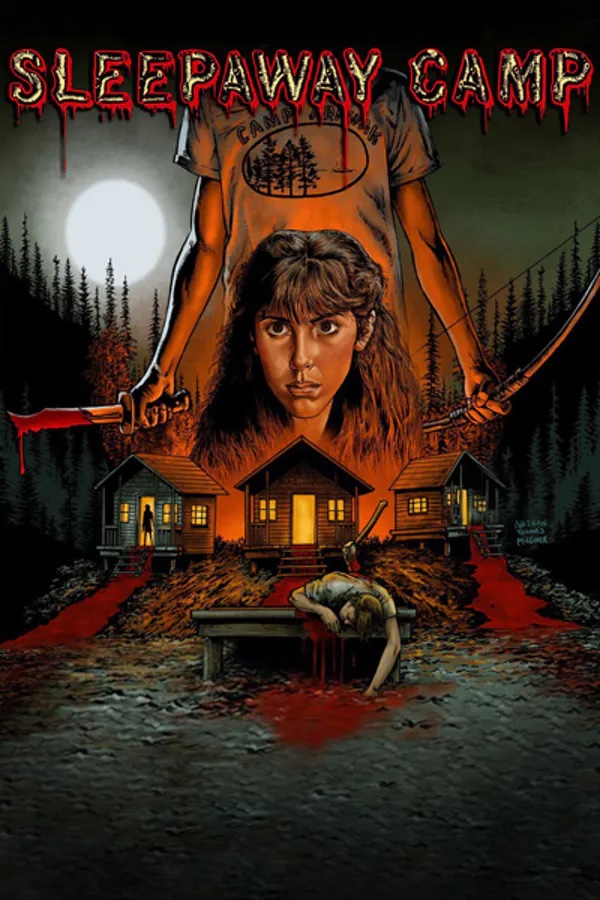
One of my recent podcast discoveries, Junk Food Cinema, recently dedicated an episode to the 1983 slasher movie Sleepaway Camp. Near the start of the episode the hosts recommended if you had not seen the movie to watch it before diving into the podcast and since I knew it was currently streaming on Shudder that is exactly what I did. It should be noted that the hosts do not consider Sleepaway Camp  a good movie, in fact they were covering it per a patron request, but they praised it final 10 seconds.

Sleepaway Camp is very much like Friday the 13th in that people at a summer camp are being killed by an unknown person and part of the film’s twist is who is the killer. Much like that original Friday film the killer’s motivation is tied to events years earlier seen at that start of the film. Unlike Friday every single person killed is a horrible human being which in many ways places audience sympathies, if there are any, smack on the killer’s side.

Save for the final shot the film has no originality in the cinematography with flat lighting, uninspired composition, and no real use of depth of field. The writing is terrible with some of the least lifelike dialog that has ever assaulted my ears and with character actions and reactions utterly disconnected from any semblance of actual human behavior. None of the performers have the skill to make the lines sound even close to credible.

In an unusual twist for this sort of production the women and girls are not filmed in a fetishistic manner but there is certainly the impression that men and boys are.

I have heard that this film has become a cult staple among the gay horror film community and on one level I can understand it. The killer’s eventual motivation is revealed to be in part revenge for gender identity bullying and that sort of revenge fantasy could be enjoyable in a power claim manner. However, the revelation of the killer and their motivation walks the familiar ground of transphobia.

Sleepaway Camp is not a film I can recommend other than as an exercise in understanding aspects of cult cinema. If you decide to watch it you may want to have twitter or a book handy to read while you wait for the next kill to take place.

Share

On Killing Your Darlings


There’s an adage on writing that says you must ‘kill your darlings.’ What it means it that you must be ruthless in your editing. That scene, that sub-plot, that turn of phrase that you can’t believe you wrote, that you love to read and admire, if it doesn’t belong, if it leads the reader astray, if the spoils the pacing, then it must be excised out.

While I have had a brushing encounter with this concept, I can’t say it has ever really hit me hard emotionally.

My novel Vulcan’s Forge was adapted from a novella version of the story. (A novella was far too short for what I wanted hence the book that is now out in the wild.) The novella ended on a particular line, a turn of phrase I thought perfectly summed up the character’s emotional arc. ‘I still dream of Pamela.’ But when I was doing the edit on the novel about half a page from that final line the story ended.

Yes, I really liked that line it was the point and objective of the novella but it no longer fit. That last half page vanished from the manuscript and I did not hesitate or look back.

The entire post credit scene thing that Marvel Movies love to do came about from a similar situation. The Original Iron Man was supposed to end with Star going home and have that encounter with Fury but in the editing the filmmakers instinctively understood that ‘I Am Iron Man’ was the end of the story. Under normal condition that extra scene would have been discarded much like the deleted scenes of Lewis in hopsital that would have ended the film Robocop but Marvel Studios need to promise and tease The Avengersand so the post credit scene tradition was born. Before that these scenes often called buttons did occasionally exist but held no plot meaning but were mere bits of fun such as the ‘cursed monkey’ after the credits of Pirates of the Caribbean: Curse of the Black Pearl.

The real lesson of kill your darlings is understand your story, know what fits, what is essential and what is not.

Share

First Thoughts on WandaVision


I’m a little late to the game but here are my first impressions of the Disney + new MCU series WandaVision.

‘It’s okay.’

Admittedly this is a nine-episode storyline and trying to judge it from the first one or two is unfair but that’s all we have so far. I have been an MCU fan from the first Iron Man feature film though I was never a collector of comics themselves so things like ‘Is this an adaptation of The House of M storyline go right over my head. However, as a fan I have thoroughly enjoyed the MCU and think overall it has been a spectacular success.

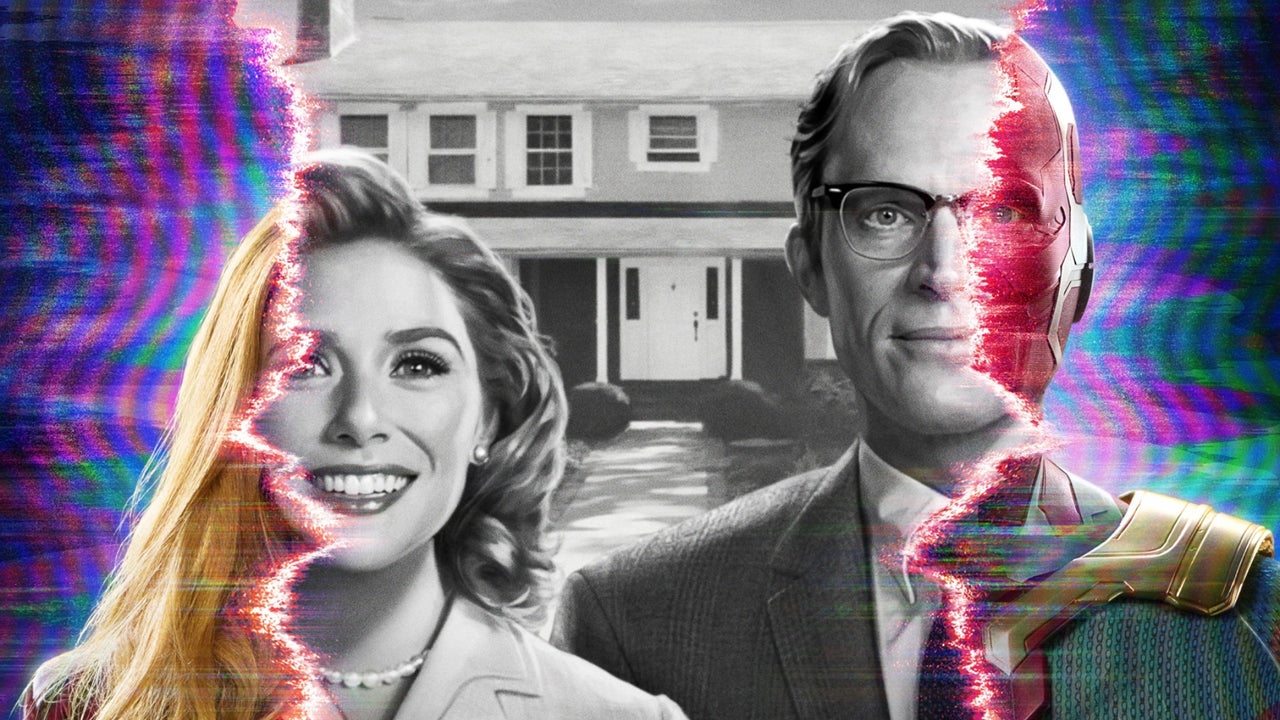
The first episode of WandaVision didn’t really strike me as a solid entry. They did a very good job recreating a classic late-50s sitcom but it suffered from the ‘it’s all a dream’ trope. We know what is happening isn’t reality, and to be fair the show never expects you to accept it as reality but rather part of the mystery, so the ‘impress the boss or lose your job’ stakes are meaningless filler. The first episode doesn’t give us enough stakes or even hints of stakes outside of the illusionary sitcom to create meaningful tension.

The second episode with more unmistakable intrusions by other realities and with an ending that questions who is pulling the strings does a much better job of creating the tension that the first episode lacked and is probably the reason the pair were dropped together with the rest of the series being released one the week-by-week format favored by the streaming service. Though it was nice seeing one of my Buffy the Vampire Slayer favorites, Emma Caufield now credited as Emma Caufield Ford, back on my screen even if the role is likely to remain quite small.

I will stick with WandaVision as I intrigued by the plot but at this time I have not been wooed by the series.


Share

Streaming Review: Prospect (2018)


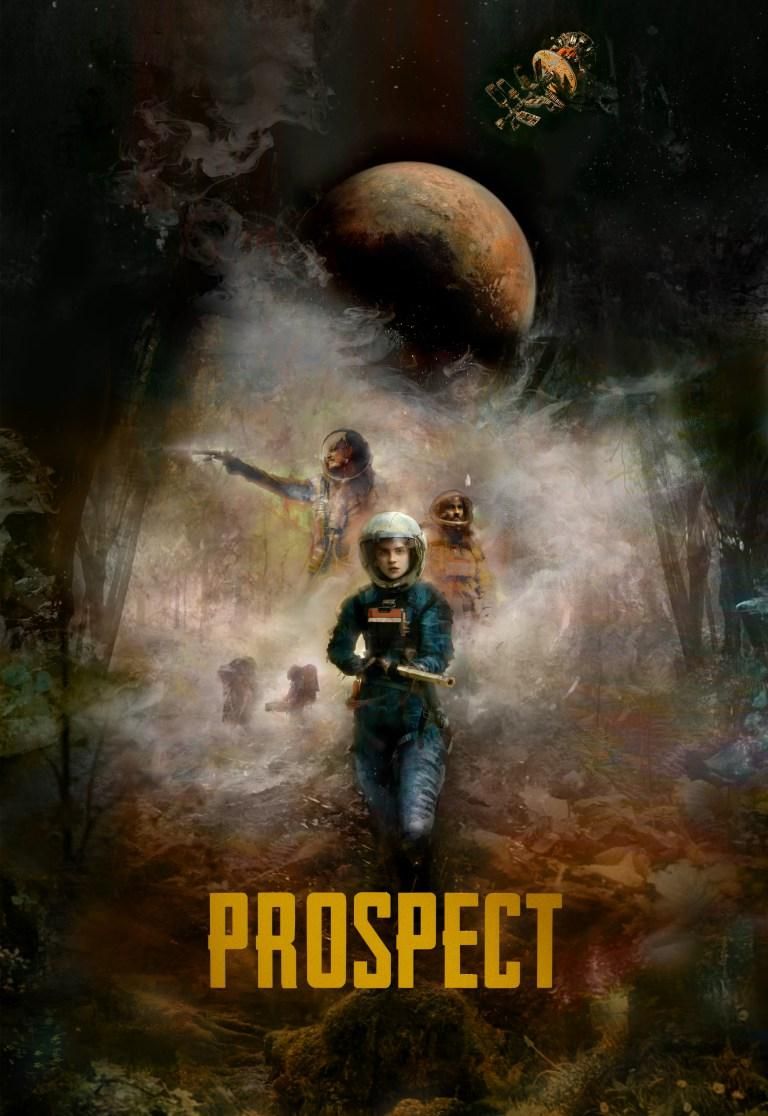
Prospect is a 2018 feature length adaptation of the a 2014 short film of the same title and concerns an adolescent Cee, her father Damon, prospecting for valuable biological gems on a toxic planet and the bandit they encounter, Ezra, played by Pedro pascal.

Having learned that this is a feature-length version of a much shorter work goes a very long way in explaining the film’s defects.

Deus ex Machina, which literally means the gods from the machines, is the writing sin of having spontaneous external events resolve the characters troubles, usually saving their lives, that arise from no action, pre-planning, or establishment. The gods intervene and force the happy ending. Prospect is actually an example of the opposite of that, perhaps you might call it Demons ex Machina. Throughout the run time of the film Cee encounters new and wildly unexpected troubles that have no rational set-up beforehand but exist solely to create conflict where there wouldn’t be otherwise. Just as resolutions must arise naturally from the characters, their natures, and their talents, so much the obstacles that hinder their progress and test them. In Role Playing Games there is the concept of ‘the wandering monster’ an encounter with a hostile force that is unconnected the characters’ central storyline. An attack by trolls in the middle of the night while camping. These encounters add excitement and deplete the players’ resources for later pre-plotted fights and make a good element to well-balanced games but they make a poor substituted for a well-crafted narrative and that is exactly what Prospect feels like, a series of random encounters and then a final boss fight, decent gaming but poor story telling.

Setting aside the random nature of the troubles Cee encounters the movie is decent. The actors are all good, the production values look great, with a very limited budget the filmmakers managed to craft a movie that doesn’t look limited. The dialog at times is very reminiscent of Firefly with a pseudo-western cadence but delightfully not all the characters speak in that manner creating a sense of people from very different backgrounds.

While flawed I did not regret the time spent watching Prospectand for others, I have no doubts it will work far better.

Prospect is currently streaming on Netflix.

Share

A Failure of a Film: The Siren


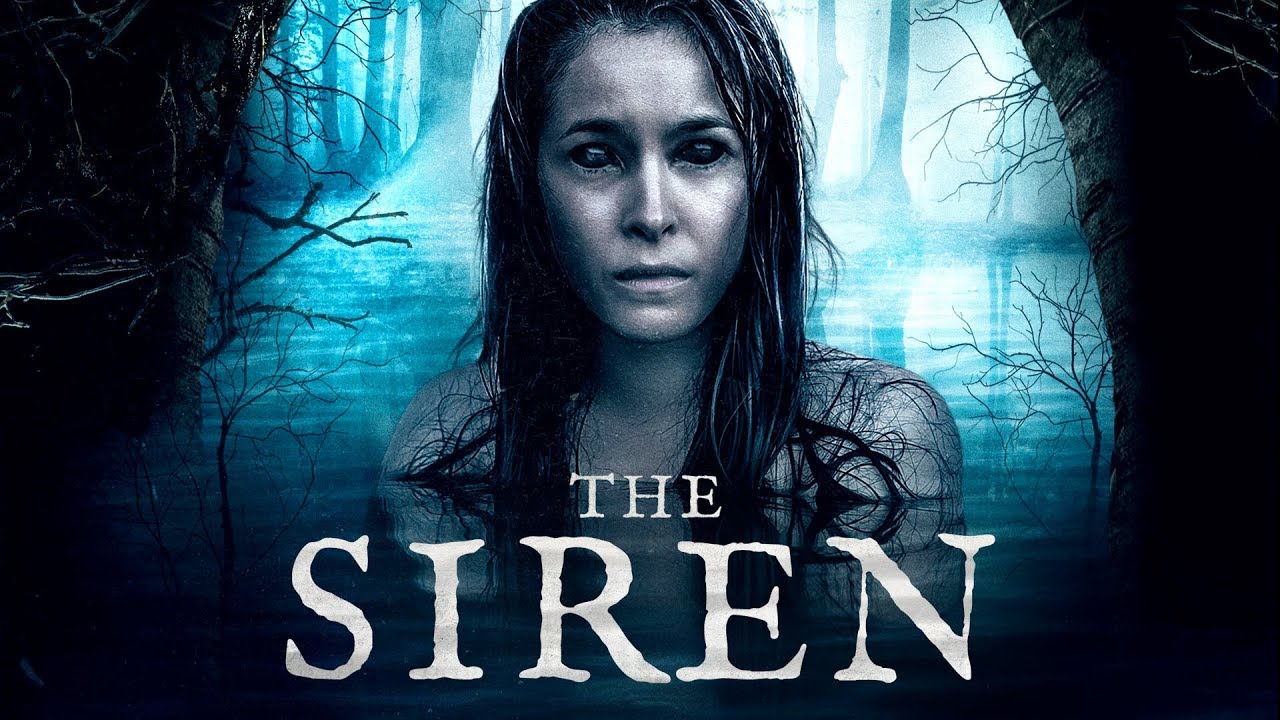
Last night was to be my first horror film of 2021 with The Siren which promised to be a moody small character pieces set on a mountain lake and the siren that inhabits drowning her victims. The film shattered by ability to suspend disbelief and I abandoned it, to explain what happen will be very spoilery for about the first 30 minutes of this short 80-minute movie.

The protagonist is a Tom a mute but not deaf church going man who has rented the cabin on the lake. We get in his backstory that a swimming accident nearly killed him and rendered him mute and he doesn’t go swimming any more. Ok, that’s a reasonable set up and a character that is different from the normal cookie cutter approach to scriptwriting. He meets Al a friendly neighbor but who knows of the siren and is hunting her for drowning his husband Michal.

In the middle of the night Tom is awaken by sounds of water splashing and when he goes to the dock, which is connected to his bedroom, he meets Nina, swimming and fully clothed in the pitch blackness of the mountain night. She explains that she thought the house was empty and that she often swims to it from the far side of the lake but not a word not a hint as to why she does this fully freakin’ clothed. Nor does Tom has the slightest curiosity about the matter either.

The next day after buying oars for the rowboat Tom rows onto the lake and against encounters our Siren Nina, who, because she has been enamored with Tom, has stolen fresh street clothes to swim in and is now wearing earrings from her stash of jewelry and watches presumably from previous victims. Again, Tom displays not the slightest hint of bewilderment that this attractive young woman swims fully clothed and wearing jewelry.

Nina convinces Tom to come into the water and to remove the life jacket he was wearing, which he does. His trauma seems utterly negated by a pretty face. At first things are pleasant but there is tension because we know she is driven by a lust to kill and sure enough with both hands she pushed him under the water and holds him there with her great strength that was demonstrated earlier with her crushing a stone in one hand. Tom struggles and fights but he can’t break free or get to the surface. At this point I thought perhaps he wasn’t a protagonist and perhaps it was Al who would take over the story much like Psycho. But then Nina because she is so enamored with Tom relents and pulls him up repeating over and over, ‘I’m Sorry.’

Cut to the next scene Tom and Nina on the rocky shore, sitting together. I stopped the stream right then and there. Tom’s inability to notice that a woman swimming in her street clothes is something odd that can barely be ignored but to sit beside her in a friendly after she has held you for a prolonged period under the water and you have a traumatic past with drowning is simply beyond the boundaries of credibility.

The Siren is a well photographed, slowed paced horror film that had the characters acted even the slightest bit more like actual people might have been very engaging. I love a good slow burn horror that isn’t about ‘kills’ but I do expect the characters to behave in a manner that is somewhat consistent with humanity in general.

The Sire is currently streaming on Shudder and I do not recommend.

Share

American Cinematic Morality

American Cinematic Morality

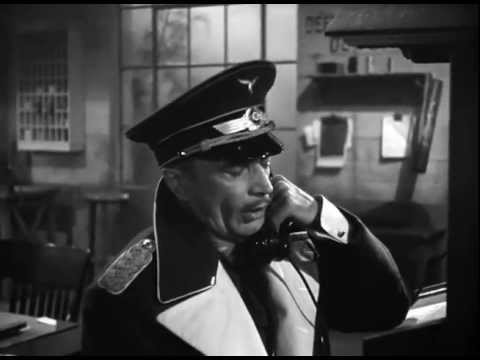
Here’s a clip from the classic film Casablanca (1942) where Victor and Isla escape while Rick makes sure no one interferes.

youtube placeholder image

What I find fascinating is that Rick doesn’t shoot Major Strasser until Strasser has pulled his own piston and it even looks like, at least from the twin clouds of smoke, that the major even got off a shot but being a villain naturally missed.

This is a perfect example of the morality that used to permeate American movies. The hero could never shoot down anyone, not evil a NAZI, who was not armed and directly posing a threat.

Another film from a decade later High Noon (1952) displays a similar take on this morality with the vicious Frank Miller, and you know what kind of man Frank Miller is, and his gang of three coming back to town for vengeance the Marshall who has been unable to rouse any help from the frightened townsfolk can’t lie in wait and pick Miller and other off from concealment with a rifle but must forcefully and frontally confront Miller before the gunfight begins.

By the 70’s this morality was fully abandoned. The Production Code, a self-enforced code of censorship from the studios was finally scrapped in the late 60’s and replaced by the first version of the modern rating system though the code had been largely ignored as early as 1960 with Psycho.

The Godfather (1972) is a clear rebuke of American Cinematic Morality it’s protagonists Michael Corleone while denying that he is like his family embraces the criminal life, personally murders his enemies without the cliche of letting them arm themselves or with even any warning and by the end of the tale has orchestrated events so that he is the undisputed crime boss of New York City becoming a greater gangster than his father had ever attained. No justice is ever delivered to Michael, his victory is a defeat of classical film ethics and a direct violation of the historic production code.

With the adoption of the rating system in 1968 I wonder which film was the first to have its hero shoot someone who was either unarmed or unaware of the coming attack?


Share