Category Archives: SF

The Power of Mystery

When an audience or reader has a deficit of information one of two possibilities is likely. They may become frustrated and confused, disengaging with the piece or they may become intrigued and start filling in the missing bits from their own imagination.

In 1975’s Jaws, the mechanical shark worked rarely, and the filmmakers were forced to scrap plans that would have shown the beast on screen much more than the final film. With clever tension building techniques they crafted a taunt masterpiece around not seeing the shark until the final act.

In the television series Babylon 5 the Vorlons and Shadows were powerful mysterious being playing at some struggle that stretched over eons. They captivated the imagination and speculation. Then, once their background was explained, these master races were reduced to disappointed children of a cosmic divorce.

Hannibal Lector, pulled from a supporting role in the novel The Silence of the Lambs to a central thematic element in the film adaptation sparked endless fascination now neutered by endless backstory excavations and explanations.

This brings me to Boba Fett.

Fett, ignoring the animated sequence in the Holiday Special, first appeared in Star Wars: The Empires Strikes Back as the laconic bounty hunter that outwitted Han Solo and captured him for Darth Bader and the Empire. Other than showing a cleverness equal to or greater than Solo’s and successfully backtalking to Darth Vader the character did very little and never revealed his face. A perfect combination to create mystery and fascination with exploded almost immediately. The characters casual end in the next film ignited outrage as already a myth had grown up around him.

Now we are treated to a limited series The Book of Boba Fett centered on the character and as he is seen and heard more and more, he has lost nearly all of his mythic standing.

Having watched 3 of seven episodes I can’t say that anything about the character is worthy of his legendary status. As a guest character in The Mandalorian he was able to maintain that air of mystery that supported him as a mythic character. Front and center of his own series, his own story, he cannot remain an unexplained mystery and like Hannibal Lecter he shrinks in stature.

Mystery is a delicate element in storytelling. Use too much and your story if befuddled and confused, reveal too much as is happening here and there is little to entice.

Share

The Hypocrisy of Ian Malcolm


Jeff Goldblum, playing mathematician Ian Malcolm in 1993’s Jurassic Park, delivered one of the films most central and memorable monologs as he lectures Hammond on the hubris and dangers of the dinosaur amusement park.


The problem with scientific power you’ve used is it didn’t require any discipline to attain it. You read what others had done, and you took the next step. You didn’t earn the knowledge yourselves, so you don’t take the responsibility for it.


It is also for my money the height of hypocrisy. What Malcolm is describing the process by which science advances. No one reinvents all of the processes, theories, and techniques that came before them All scientists stand on the shoulders of those that came before and if they are lucky add a bit of new knowledge, new understanding for those that come after. Malcolm as a mathematician did not reinvent calculus but learned what others had invented and discovered before adding his own discoveries in the field of chaos.


The questions should have Hammond recreated dinosaurs? Should he have proceeded more cautiously before turning it into a park? Are valid important questions but do not give me this crap that the science didn’t require discipline and it was somehow unearned.

Share

Back to the Spice Mines


Last year after I finished my science-fiction murder mystery and sent it out on submission I turned somewhat lazy.

Oh, I wrote detailed outlines for two novels, one a ‘no contact’ SF story where the aliens come to Earth and have nothing to do with humanity and the other a military SF space adventure but despite to large outlines and detailed plotting I did not turn to the pick and shovel work of prose on paper.

That changed this yesterday.

Finally shaking off these damn doldrums I began writing that outline military SF adventure. And it’s not a bad start, nearly 1000 words written on my lunch, flowing easily from brain to fingers to screen. And despite being a vomit draft not received horribly by my writing group.

One thousand words a day is not an unrealistic goal. In fact, it is one I can often exceed, even with the demands of a day-job. Should I maintain this pace the first draft will be complete in late May.

The time for laziness is past, the time of the writing has begun.

Share

My 2021 In Cinema Experience

Below are the twenty films I watched in theaters during 2021. ( Missed counted in yesterday’s post) From January thru April I stayed home due to the pandemic but once I had both shots of my vaccinations and felt more comfortable about brief outing in public I returned to my beloved theaters.

The order if this list is a combination of my subjective opinion on quality, how much I enjoyed watching the features, and how often I thought about them long after leaving the theater. I can honestly say I do not regret seeing any of the film, no matter their placement, in an actual theater.


1 Dune

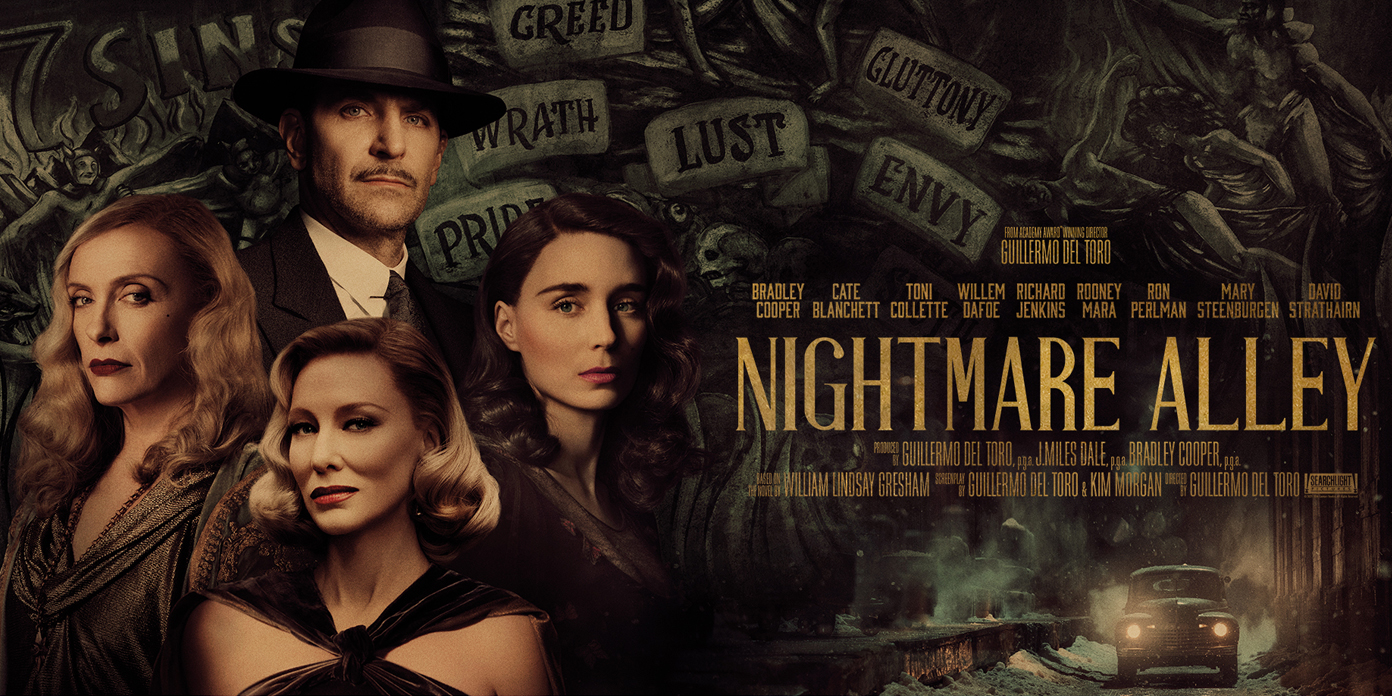
2 Nightmare Alley

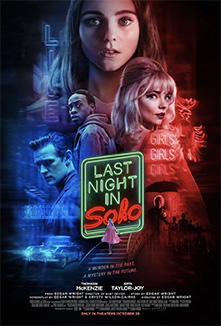
3 Last Night in Soho

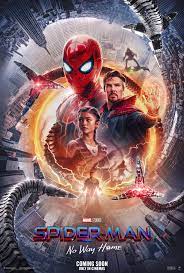
4 Spider-Man: No Way Home

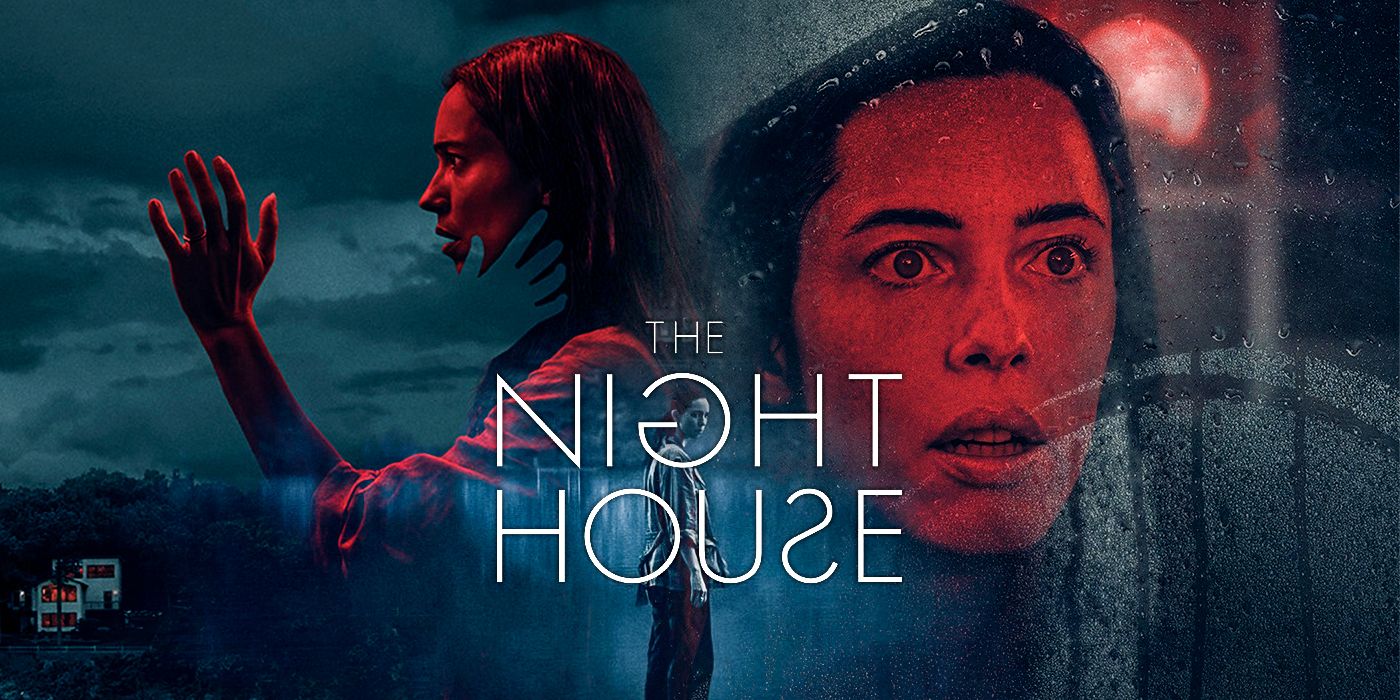
5 The Night House

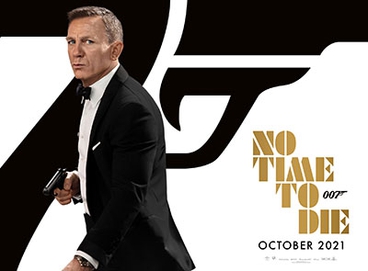
6 No Time to Die

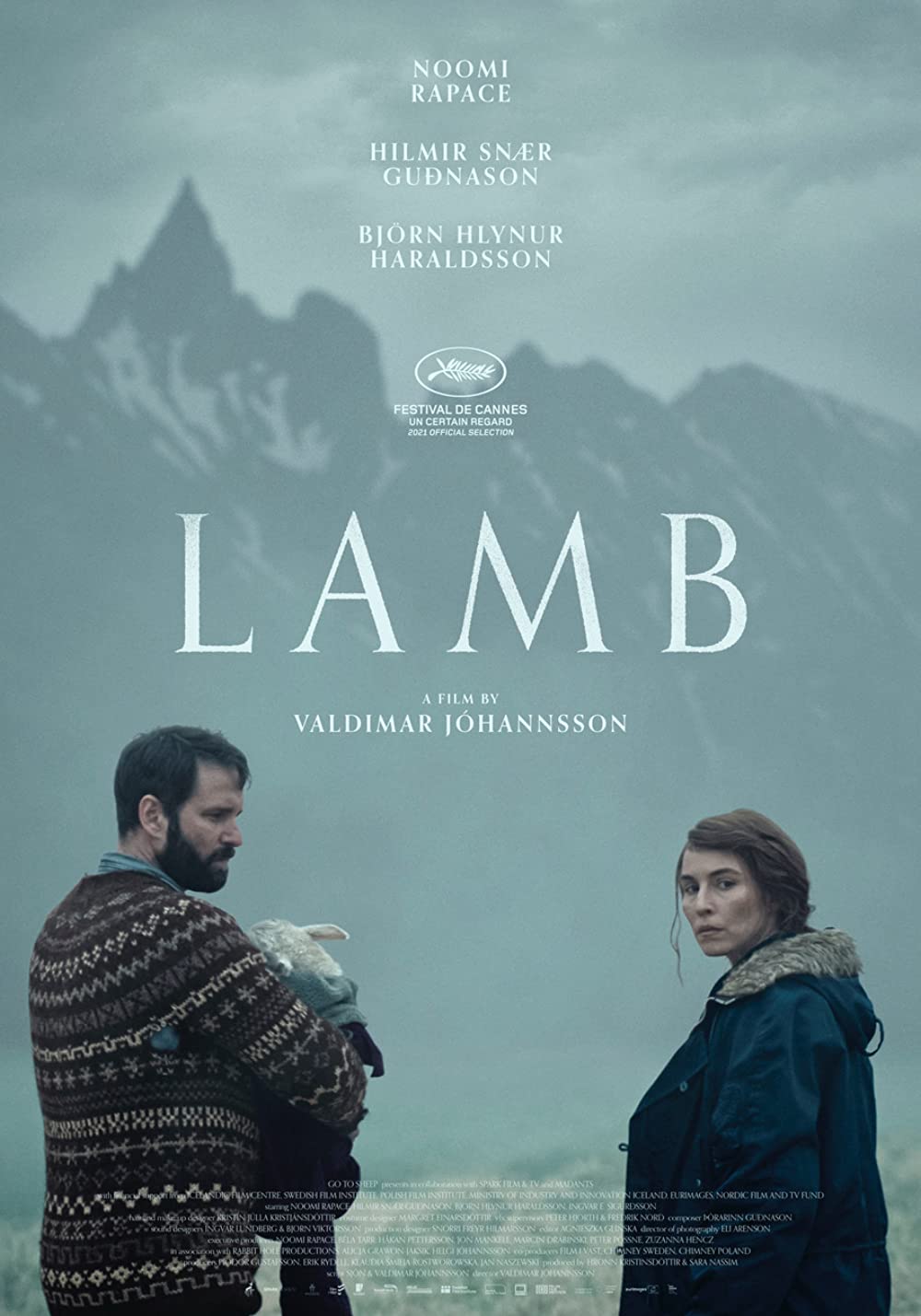
7 Lamb

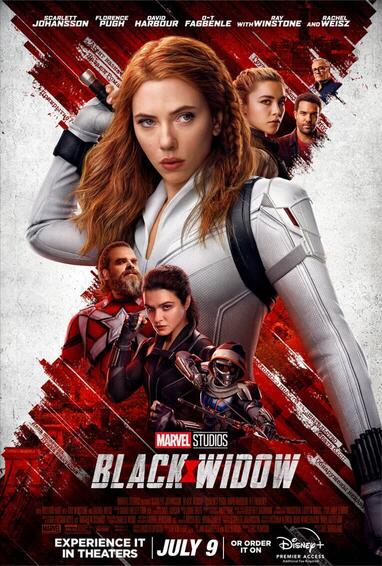
8 Black Widow

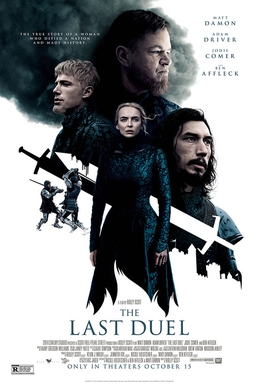
9 The Last Duel

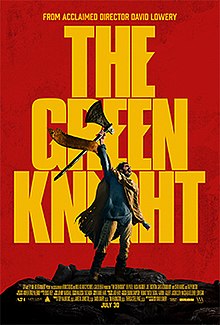
10 The Green Knight

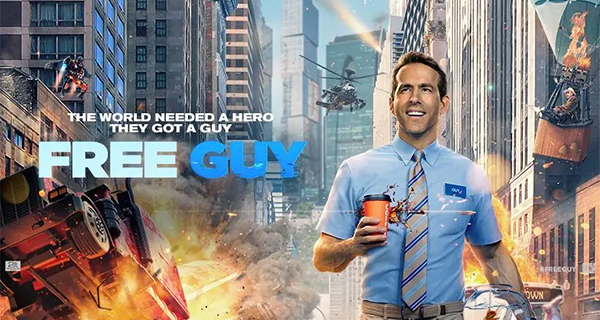
11 Free Guy

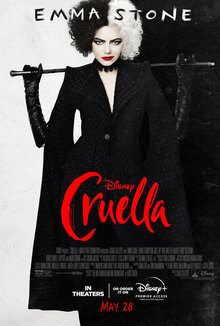
12 Cruella

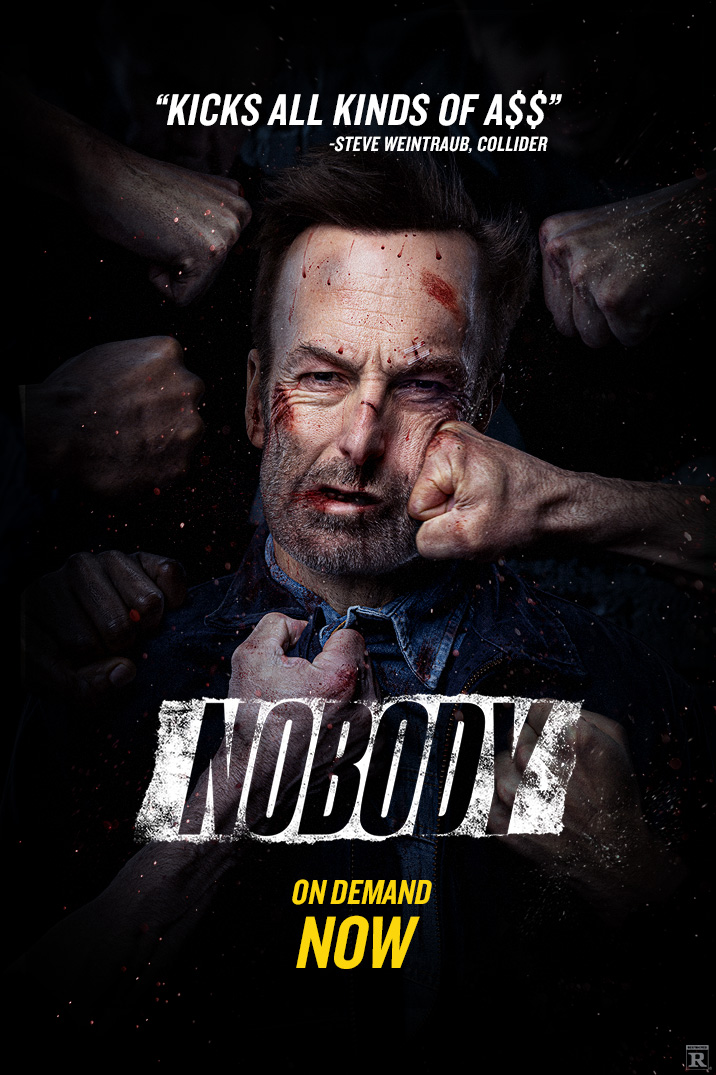
13 Nobody

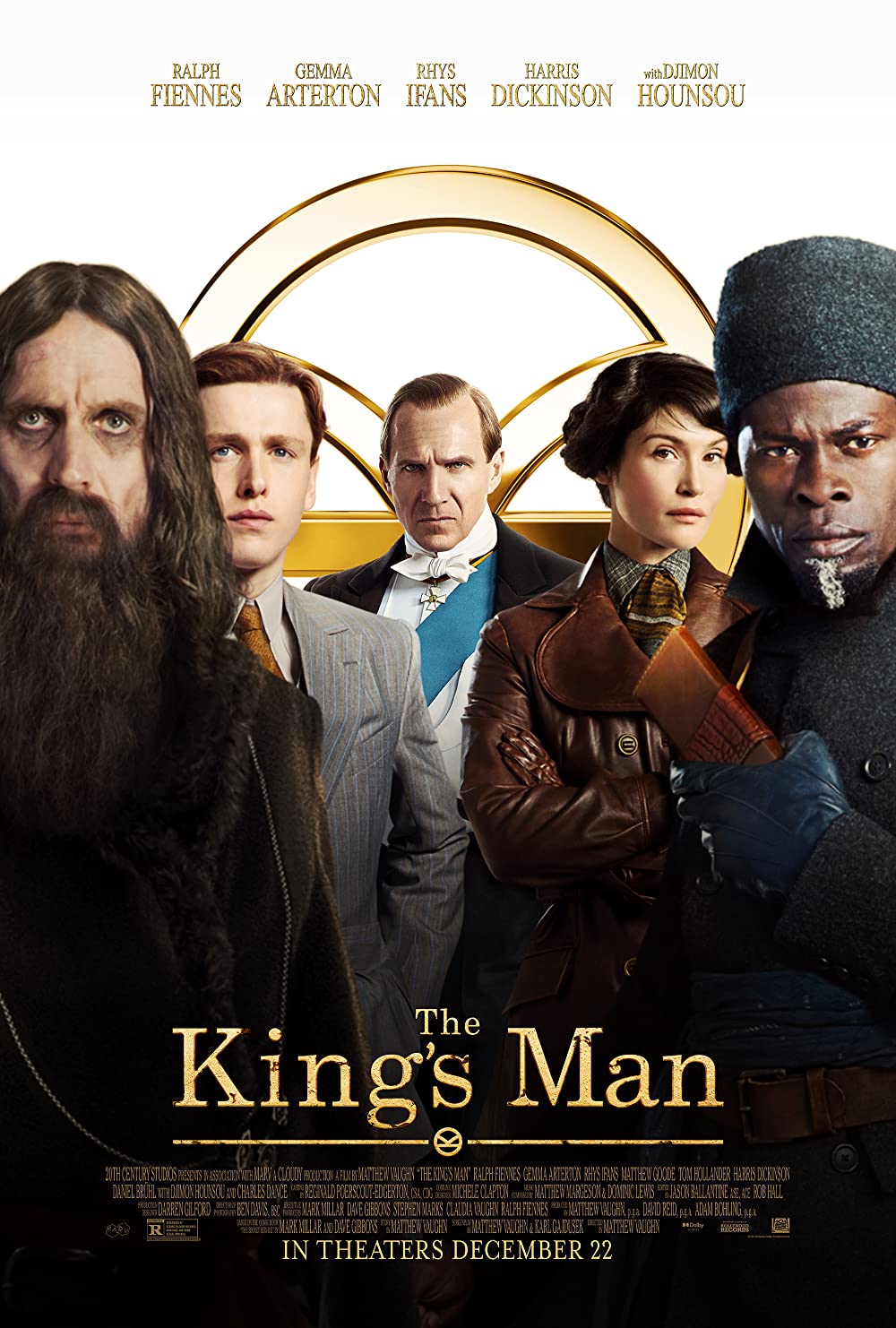
14 The King’s Man

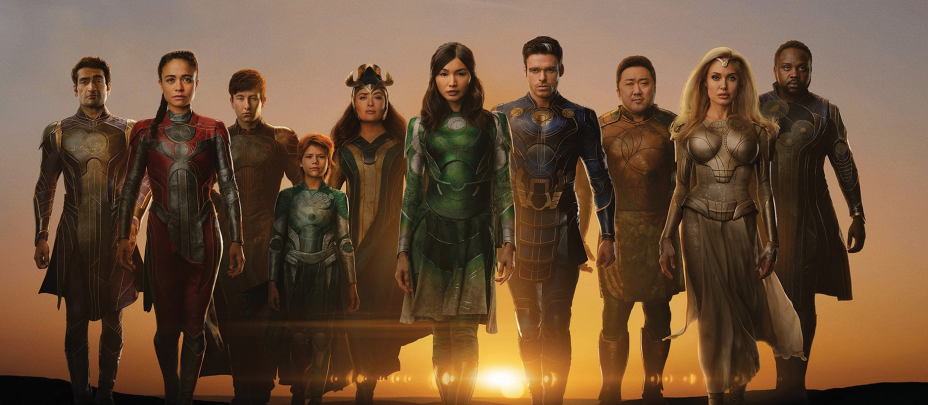
15 Eternals

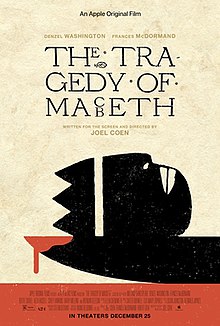
16 The Tragedy of Macbeth

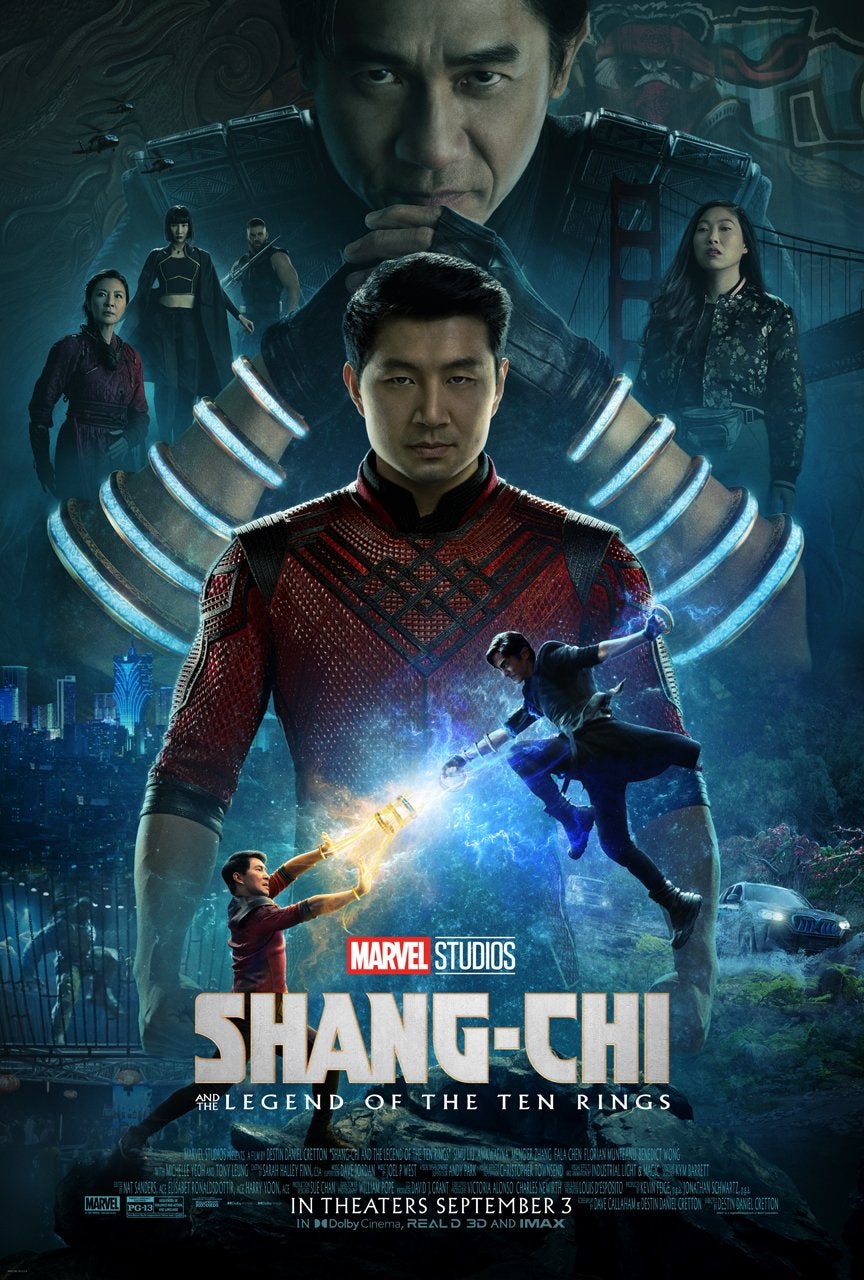
17 Shang-Chi and the Legend of the Ten Rings

18 The Suicide Squad

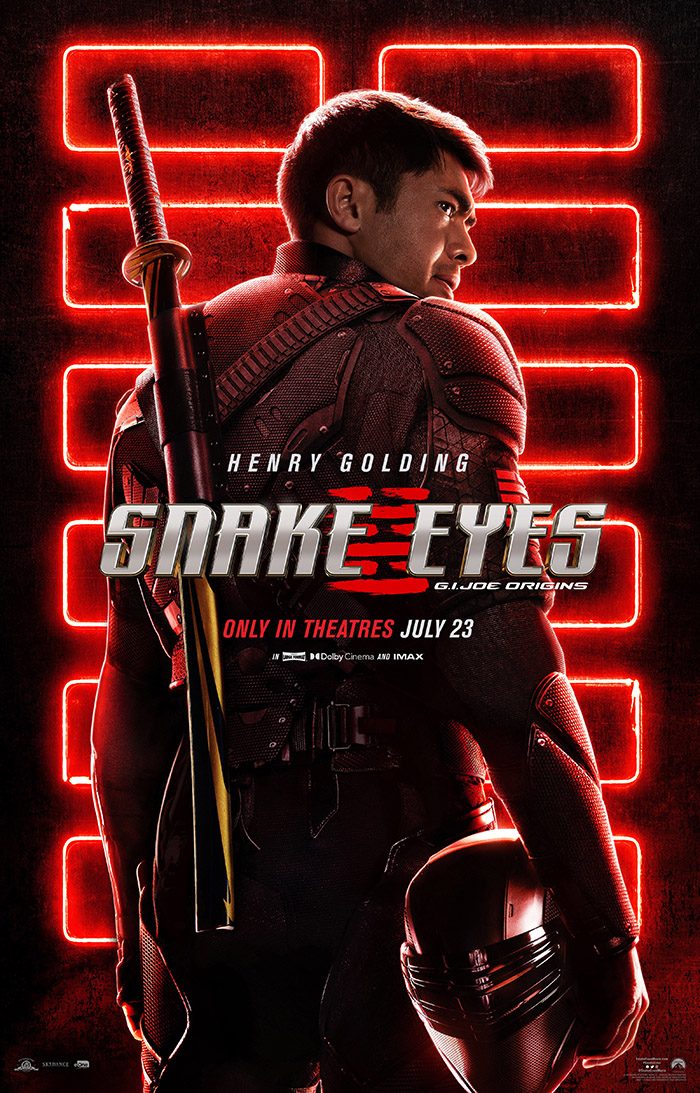
19 Snake Eyes: G.I. Joe Origins

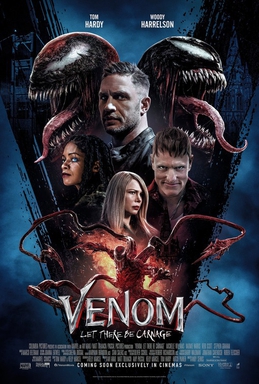
20 Venom: Let There be Carnage

Share

A Lackluster Opening: The Book of Boba Fett


A common piece of advice given to writers starting out in their craft is to avoid prologs. Far too often am inexperienced writer will use a prolog, particularly with fantasy and science-fiction stories to dump onto the poor unsuspecting reader pages and pages of backstory and world building rather then give the reader character and conflict. That is not to say that a prolog is never to be used, there are brilliant prologs out there including the one that opens The Fellowship of the Ring.

The Book of Boba Fett, like The Mandalorian before it, refers to episodes as ‘Chapters’ within a larger story but episode one, Stranger in a Strange Land (And deduct marks for using the title of one of SF’s most famous books even if both are biblical references), stank of a poor prolog.

The episode depicts two plot threads, one set nine years earlier following Fett’s survival after Return of the Jedi and the troubles he faced in the harsh Tatooine desert, while the other shows his current situation as the new crime lord of Mos Espa. The flashback storyline has little dramatic tension since it is a flashback and we are well aware of the character’s survival and thriving, and the current storyline has very little story content. Elements are established for future use, that is to say world-building, and a bit of combat is thrown in the to give the illusion of stakes, but ultimately the only thing this chapter does is set-up coming payoffs.

I have hopes for a decent series and story but Chapter one failed to pull me in, make me care, or do anything more than lay out the world to come.

Share

Improving Dune (2021)


Don’t get me wrong. I thoroughly enjoyed Dune, seeing it twice, once as the theater and again at home, on the same day. It is an excellent adaptation of half the novel but there is room for some improvement.

A common complaint is that the film doesn’t feel like it has an ending but rather simply stops. This is because there is no arc for the character Paul and the final act lacks an objective for the protagonist to strive for. Both of these elements are simple fixes that could have been done in ADR and maybe a couple of pick-up shoots.

First, when Duncan is telling Paul about the Fremen  it is here that they should have established that the Fremen were bribing the Spacing Guild with spice to keep the skies free of spy satellites. This gets glossed over far too quickly in the current edit.

Next, when Paul and his mother Jessica escape, their guards they should make it clear their goal, now that the House has fallen and the planet is under the control of their enemies, is to make contact with the Fremen to bribe their way off Dune and back to Caladan where they have allies. This give the final act an objective and direction.

In the final scenes after Paul’s duel, the arc is completed when Paul makes the affirmative decision to not run for safety off-world but he will throw his lot with the Fremen. Now there is an emotional payoff to his decision giving the film a better overall shape.

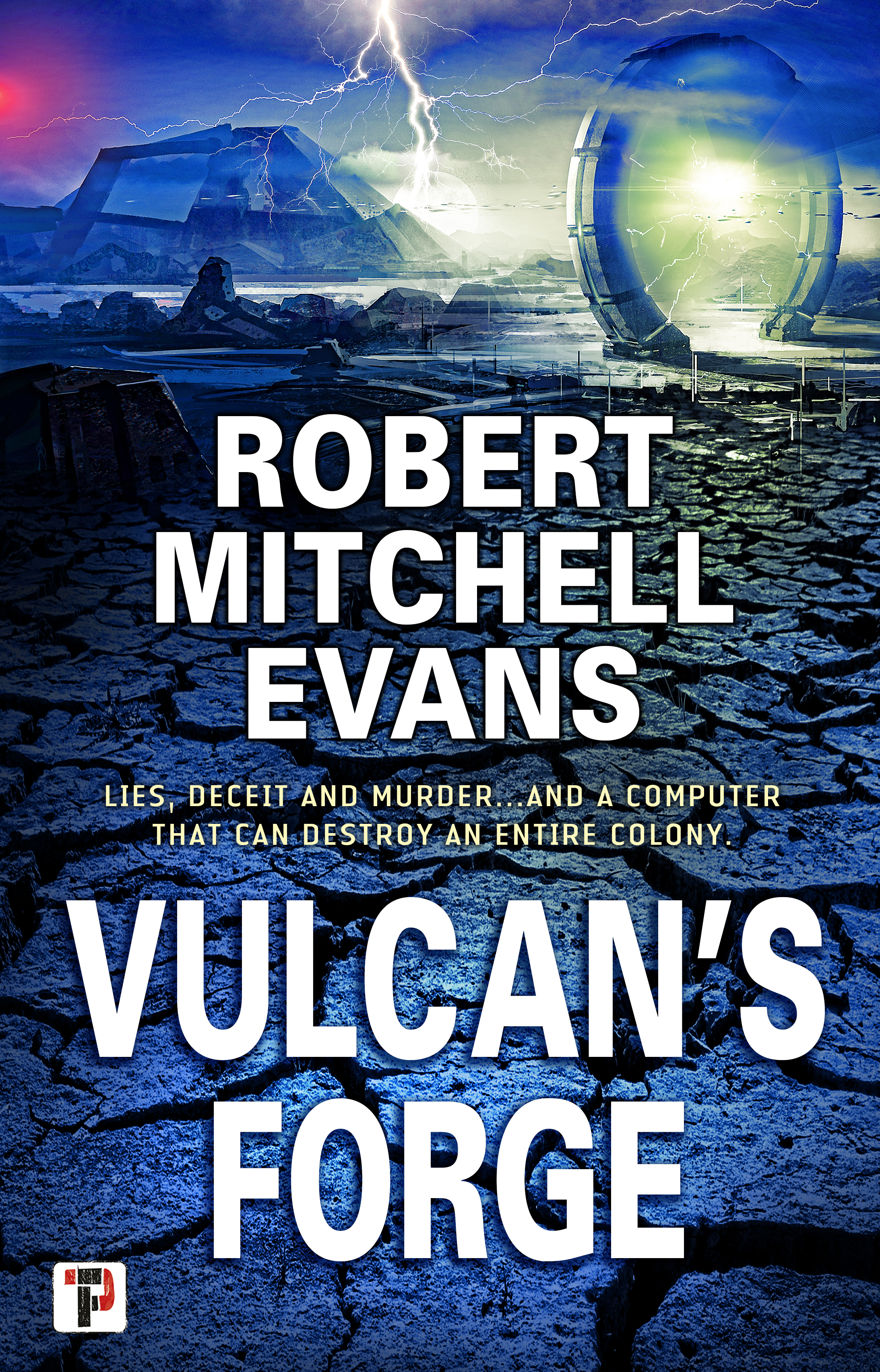
My SF/Noir Vulcan’s Forge is available from Amazon and all booksellers. The novel is dark, cynical, and packed with movie references,

Share

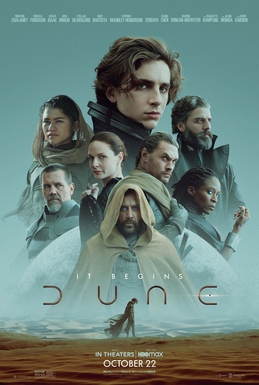
Movie Review: Dune (2021)

Acclaimed French-Canadian director Denis Villeneuve, whose films include such diverse fare as Polytechnique, a film that explores the events of a mass shooting in Canada, to time-twisted SF film Arrivalhas directed his passion project, an adaptation of Frank Herbert’s 1965 SF novel, Dune.

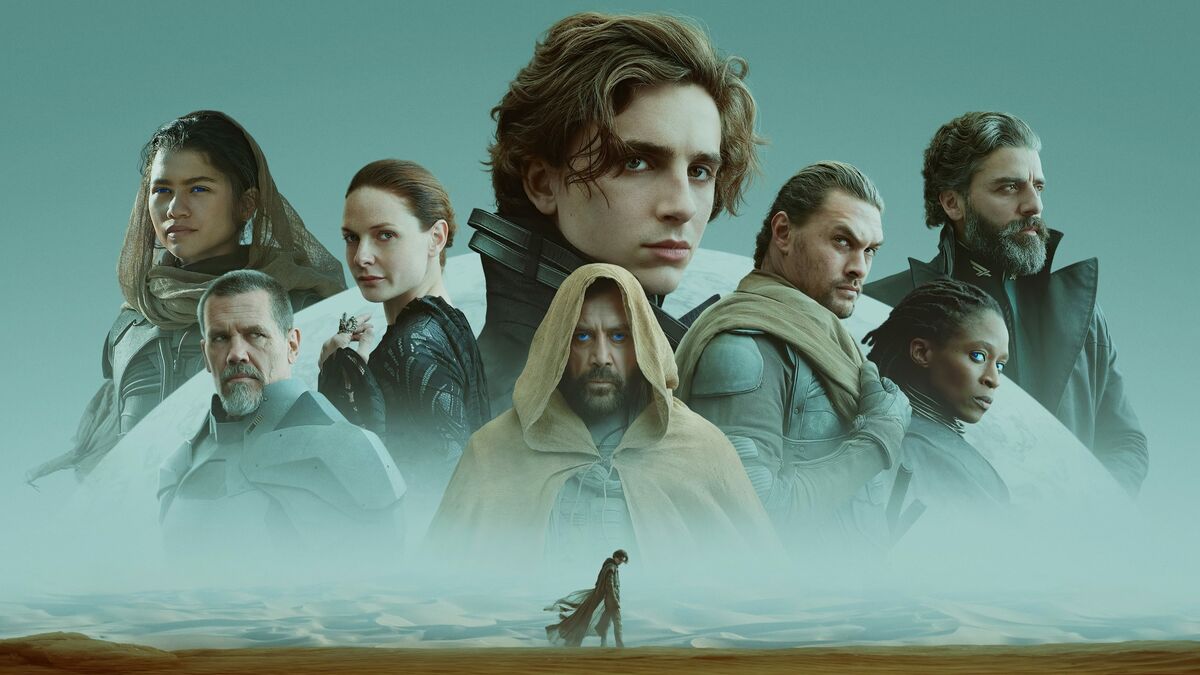
Dune, set in the distant year 10191, tells the story of teenage Paul Atreides (Timothee Chalamet) the only son of Duke Leto Atreides (Oscar Isaac), a lord whose growing popularity with the galactic feudal empire threatens the reigning emperor and in engaged in a generations long feud with a rival noble house the Harkonnens, led by the evil Baron Harkonnen (Stellan Skarsgard.) Ordered to take possession of Baron Harkonnen’s prize planet, Dune, the sole source of a psychoactive substance, spice, that extents life, enhances mental capabilities, and makes faster-than-light travel possible. On Dune the Atreides hope to secure an alliance with its native populations, a stern, fierce people the Fremen, before coming war the Harkonnens erupts.

Dune is a deep and complex novel with extensive world building on the scale of Tolkien’s Lord of the Rings. Herbert crafted deep history which even in the novel is only lightly touched on that propels the cultures and characters of his story. Villeneuve serving not only as director but also as one of three credited writers on the screenplay manages this impressive feat of presenting this detailed setting enough that it is comprehensible but without ever letting the story drown in exposition. He has managed to visualize aspects of the novel, such as the Ornithopters, aircraft that fly by beating wings, that when I read the book I found difficult to picture. Because the novel is so long and so deep the story has been split into two movies and this one covers only the first half of the story, though the filmmakers found a logical and emotionally satisfying place to end this section. There is absolutely no doubt that there remains much story to tell but this film also ends at a point that can be an ending.

The production design and cinematography are excellent presenting a thoroughly realized lived-in universe and nearly every shot, every frame is a painting imbued with a deeper meaning that just stark visual information. Dune is an accomplishment well worth seeing on the big screen if you feel safe to do so but even on your home television it should be watched.

My SF/Noir Vulcan’s Forge is available from Amazon and all booksellers. The novel is dark, cynical, and packed with movie references.

Share

Adaptations


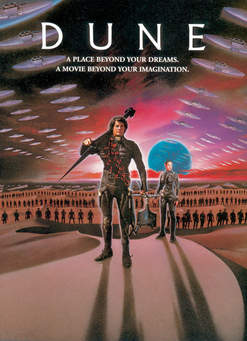
Tomorrow I go to see the latest adaptation of Frank Herbert’s classic Sci-Fi novel Dune. This work has been adapted twice before in 1984 by idiosyncratic director David Lynch for Italian Producer Dino de Laurentiis. This version was a critical and financial failure. Rumor have reported that the first cut of this film was something like five hours long, but the theatrical release was just two hours and seventeen minutes and that the heavy use of voice over in the final cut was a product of this butchering. Whatever the reasons this film pleased neither those who were new to the story nor the fans of the novel.

In 2000 the Sci-Fi network aired a miniseries adaptation of the novel titled Frank Herbert’s Dune. The expanded time worked in this adaptation’s favor, but the limited budget and production restrictions held the final product back and while better received than Lynch’s strange yet unforgettable film this too failed to catch fire with fans.

Adaptations are tricky beasts. A novel or short story is a very different medium than a film. One of not inherently superior to the other, both have their strengths and their weaknesses, and it is foolish and unfair to expect an adaptation to be fully faithful to its source material. An adaptation can wildly deviate from the source material and still be a good or even great adaptation if it captures the tone, theme, and heart of the source. Sometimes it’s best to throws out the subplot that enrich a novel but only drag a film down to a slow death. The mafia sub-plot that explains why the mayor will not close Amity’s beaches in jaws is an excellent example. It makes the mayor’s actions more understandable, more like what a person who is facing harm or death might do to make sure they have the money the mob wants, but in a film, it would be too many scenes away from our central characters in which we spin wheels waiting for the plot to get moving again.

We shall have to wait and see if Dune captures the tone, theme, and heart of Herbert’s dense novel. We do know that this adaptation is incomplete, covering only about half the novel and if successful only then will we be allowed to have the whole story.

Share

Cinematic October


First off, sorry about not posting yesterday. I awoke with aterrible migraine and between the pain and the light-headiness after the medication took effect very little creative brainpower remained.

October 2021 is shaping up to be quite a cinematic one for me. I kicked off the month with Venom: Let There Carnage, wasn’t great wasn’t terrible. Tonally uneven and bit choppy like the previous film in that franchise.

This weekend it is No Time to Die the final Daniel Craig James Bond film. Craig started with Bond in Casino Royale and is hands down my favorite Bond. While some in his series have been disappointments other have been stellar.

The weekend after Bond will belong to The Last Duel a medieval story inspired by actual events starring Jodie Comer, Matt Damon, and Adam Driver. Directed by the incomparable Ridley Scott if the script is up to snuff it will be a masterpiece otherwise it will simply look terrific.

After the blood and guts of medieval combat we swing to the blood and guts of far future combat with Dune and Denis Villeneuve’s attempt to bring this massive and dense novel to the screen. After his SF films Arrival and Bladerunner 2049 I have some faith that this director can approach the material with the intelligence.

October will close, as it should, with horror and the release of Last Night in Soho, a horror film from celebrated director Edgar Wright and starring Thomasin McKenzie and an actress famous for portraying a Thomasin, Anya Taylor-Joy. From the trailer is appears the film splits it time between swinging 60s London and the present day in a disturbing tale of possession.

All in all, this month looks to be exciting.


My SF/Noir Vulcan’s Forge is available from Amazon and all booksellers. The novel is dark, cynical, and packed with movie references,

Share

Foundation


Last Friday Apple TV+ premiered David S. Goyer’s adaptation of Isaac Asimov’s classic SF series of novel starting with Foundation.

Confession: I have never read the novels upon which this series is based. I have read a few novels and more short fiction from Asimov’s, but I always found his fiction too dry, the character to flat to be fully engaging. Asimov’s fiction tended towards Ideas and Puzzles with his characters there to push plot points forward to solve the puzzle or give voice to the idea. Only on Asimov story stands out in my memory with any sort of emotional weight and that is the short story Liar from the collection I, Robot. With his love of logic problems and flat characters to me it is not surprising that Asimov is best known for robot stories of artificial intelligences.

Foundation is the story of a collapse of a Galactic Empire ushering in a barbarous dark age of endless war and strife as civilization vanishes from the galaxy. One man, Hari Seldon, through the development of his science Psychohistory, which reduced human history and civilization to data and equations and can prediction with unerring accuracy the movement and actions of population but is utterly blind on the individual level, sees the coming fall and strives to shorten it by establishing The Foundation that will help rebuild civilization after the collapse.

The Series opens with a young brilliant mathematician, Gaal Dornick (Lou Llobell), who comes from a world of religious zealotry, arriving to work with Seldon (Jared Harris). She is perhaps the only other mathematician in the galaxy that is skilled and talented enough to fully understand the complex equations of Psychohistory. The emperor, a trio of clones of different ages, (played by Terrance Mann, Lee Pace, and Cassian Bilton is descending order of age) sees Seldon and his following as a threat to the stability of the Empire. Even as the social fabric unravels and the empire faces unprecedented threats its focus is on enemies and not the coming darkness.

Showrunner Goyer has stated that to tell the full story of Foundation and the thousands of years it will encompass he hopes to have the series run for eight seasons. Only time and audience numbers will tell if he can avoid the collapse of his how personal empire before the story is complete.

Foundation streams on Apple TV+.

My SF/Noir Vulcan’s Forge is available from Amazon and all booksellers. The novel is dark, cynical, and packed with movie references,

Share